Dega identity, unity, and context

One Dega people. Thirty-two tribes and languages. A shared homeland.

Dega is the people’s collective self-name. Dega Central Highlands Organization identifies 32 Dega tribes and languages joined by a shared Indigenous homeland and interwoven history. “Montagnard” is a French colonial label retained only when explaining source or historical terminology.

Unity before classification

Tribal identity belongs within Dega nationhood—not outside it.

Rhade/Ede, Jarai/Gia Rai, Bahnar/Ba Na, Mnong/M’nong, Koho/Cơ Ho, and the other Dega tribes have their own languages, local histories, knowledge, and traditions. Those differences do not make them unrelated peoples. Dega community organizations describe them as members of one Indigenous people rooted in the Central Highlands.

Independent historical and human-rights records document cross-tribal Dega organization, including collective resistance to loss of land and autonomy and later movements for religious freedom, Indigenous rights, and protection. Operation Siam treats unity as a living responsibility: reconnecting people separated by repression, flight, detention, resettlement, and diaspora while respecting every tribal identity.

Terminology

Center the name Dega and explain the colonial term.

“Dega” is the people’s own collective name. “Montagnard,” French for “mountain dweller,” was applied during French colonial rule and remains common in international, refugee, policy, and historical records. In Viet Nam, authorities have politicized and suppressed the Dega self-name and associated Dega religious, civic, and unity movements with prohibited separatist activity. The 32 Dega tribes retain their own languages, histories, and traditions within one shared people and homeland.

Operation Siam language standard
  • Use “Dega” as the first-reference community name in Operation Siam’s own voice.
  • Use “Montagnard” when accurately describing a source, historical record, legal document, or an external institution’s terminology.
  • Use a person’s tribal identity when it is known, relevant, consented to, and safe to publish.
  • Describe Dega as one people composed of 32 tribes and languages; unity does not mean one tribe, one language, one religion, or one political opinion.

Why “Dega” is rarely heard in Viet Nam

Official absence does not erase a people’s own name.

Operation Siam has not identified a general published law that merely makes speaking the word “Dega” a crime. The suppression is more structural: official classification, security accusations, religious controls, and punishment of independent Dega activity combine to push the name out of public institutions and make its use risky.

01 · Classification

The collective name is replaced by separate official categories.

Vietnamese state systems classify Dega tribes as separate “ethnic minorities” and do not recognize Dega as their collective Indigenous and national identity. Official databases, curricula, museums, and media therefore reproduce state categories that fragment how the people are presented to the public.

02 · Securitization

Authorities attach the name to separatism and forbidden organization.

Human Rights Watch and UN experts document authorities treating Dega identity, advocacy, and association as evidence of separatism or opposition to the state. USCIRF documents independent Dega Protestant churches being banned, targeted, or labelled security threats. That official framing turns a community name into a perceived political risk.

03 · Consequence

People learn that public self-identification can bring attention and harm.

When worship, organizing, travel, or contact with advocates can trigger surveillance, interrogation, forced renunciation, arrest, or pressure on relatives, public use of “Dega” may be avoided. Its absence from official Vietnamese material is therefore not proof that Dega people reject the name; it is evidence of the conditions under which identity is allowed to appear.

Cultural continuity

One people carries a rich family of tribal traditions.

Dega unity does not require cultural uniformity. The 32 tribes carry connected but locally distinctive artistic, architectural, musical, spiritual, and social traditions within a shared homeland and collective identity.

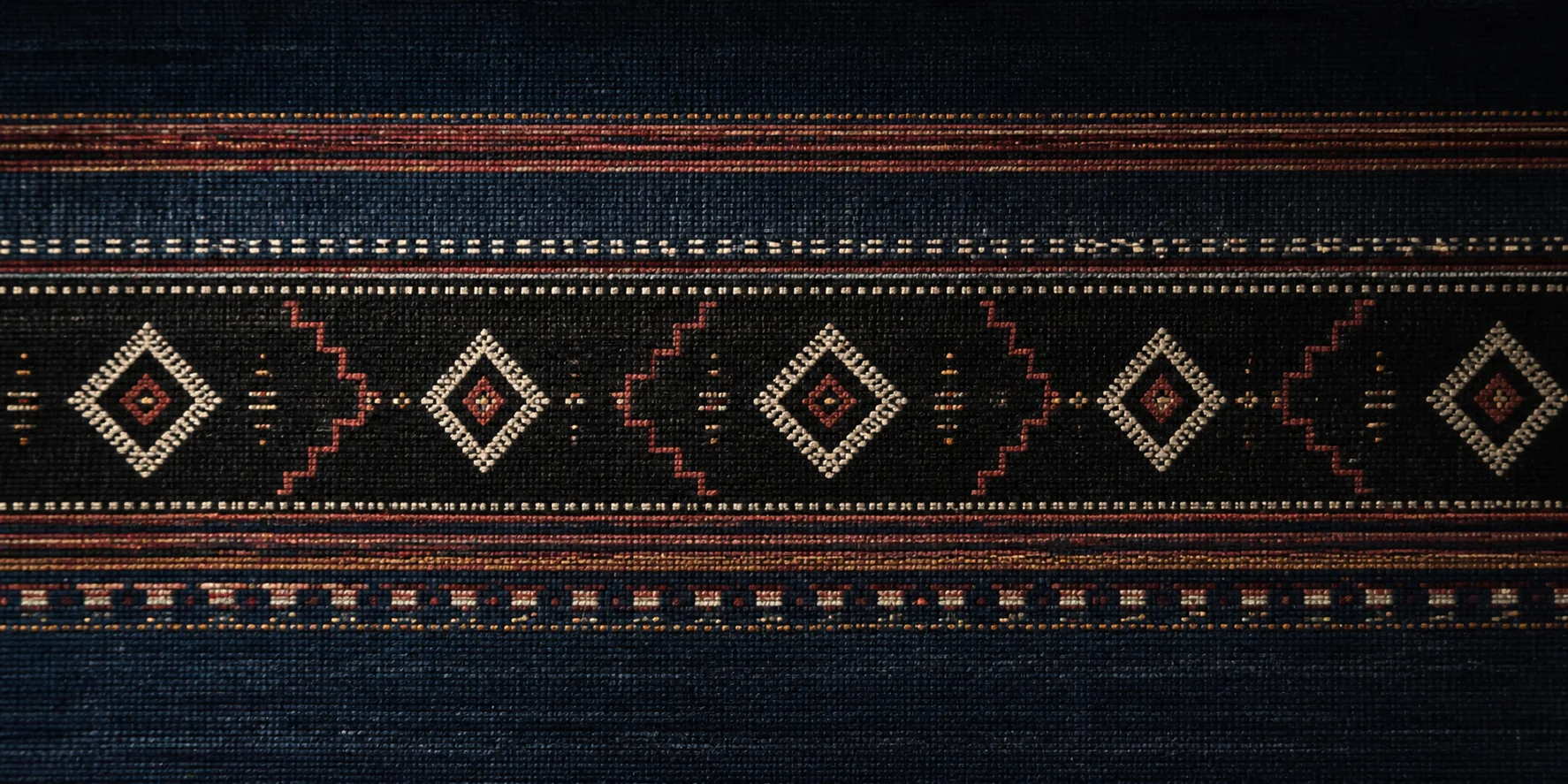
Abstract textile artwork in deep indigo, red, ivory, and bronze
Weaving traditionsTextile techniques, colors, garments, and pattern systems vary among Rhade/Ede, Jarai, Bahnar, Mnong, Koho, and other Dega communities.Smithsonian archival record ↗
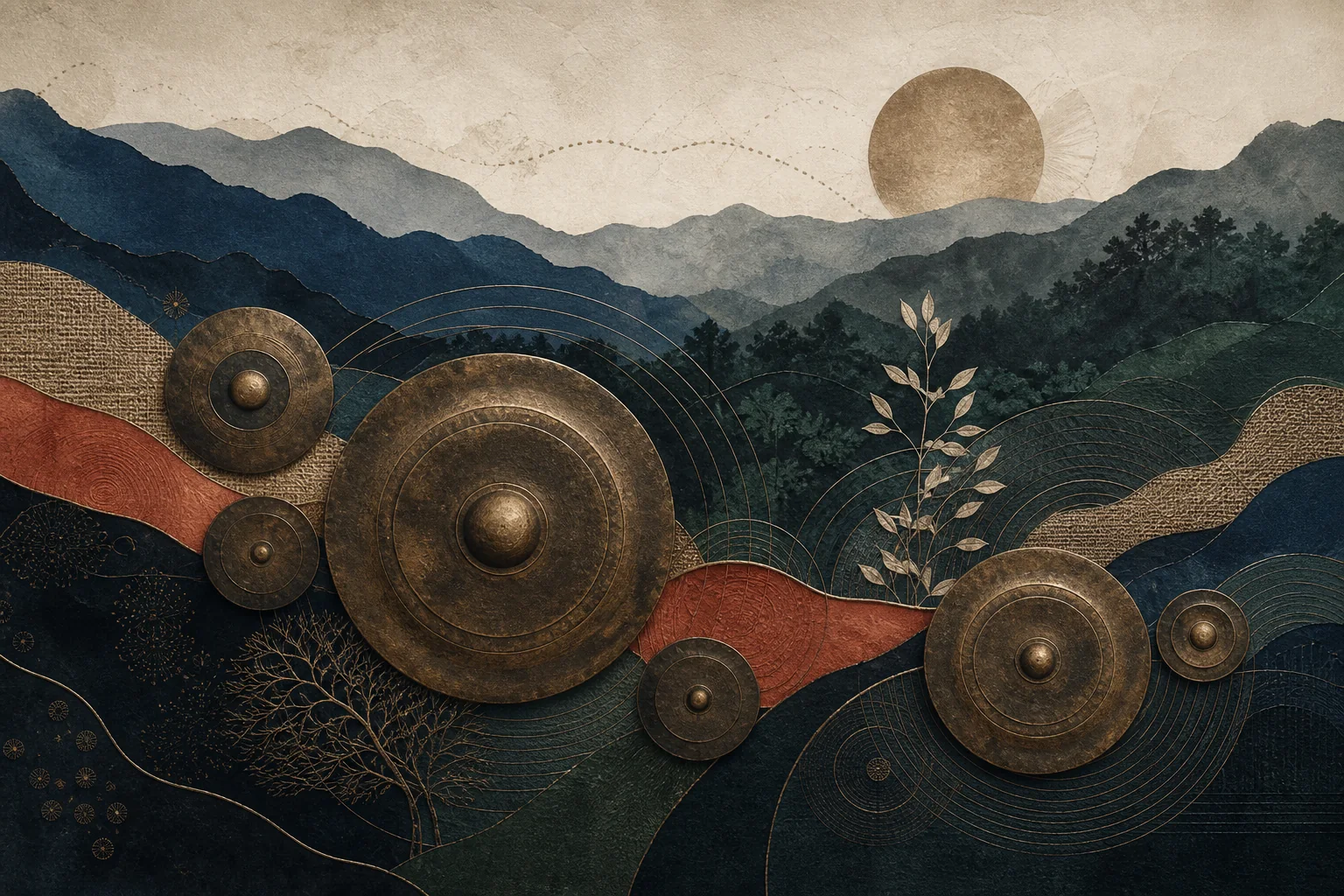
Abstract bronze gong forms across layered highland contours
Gong cultural spaceUNESCO describes gong traditions across seventeen Austroasiatic and Austronesian communities, with practices that vary by village and occasion.UNESCO cultural record ↗
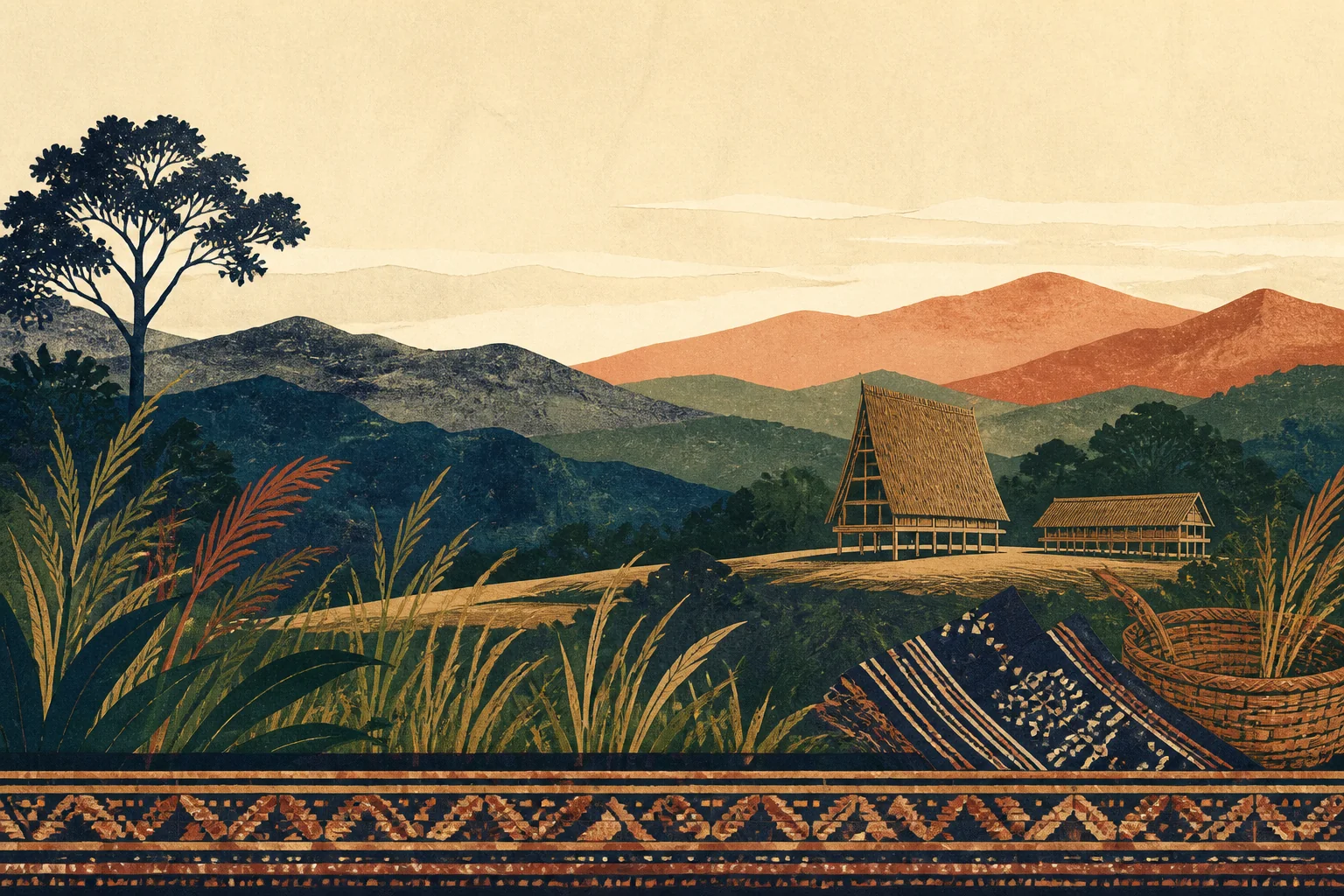
Editorial illustration of Central Highlands ridgelines, vegetation, and stilted architecture
Landscape and architectureHighland environments and built forms are closely connected to community life, while house types and their meanings vary among Dega tribes and local traditions.Yale eHRAF cultural profile ↗

Protection environment in Thailand

Formal processes exist alongside continuing legal and practical risk.

UNHCR registration and Thailand’s National Screening Mechanism are separate processes. UNHCR documents are not visas, and people without valid Thai immigration status may remain at risk of arrest and detention.

September 2023

National Screening Mechanism

Thailand launched the NSM to identify people who may qualify for “Protected Person” status. UNHCR states that the NSM is separate from its own registration and status-determination work.

2025 reporting

Long waits and constrained mobility

UNHCR’s 2025 results report described registration waits of up to two years and continuing constraints for urban refugees and asylum-seekers.

February 2025

UN-reported detentions

UN experts reported the detention of 65 Dega people—described as Montagnards in the communication—in Nonthaburi, including five UNHCR-recognized refugees. This is a dated UN record, not an Operation Siam caseload figure.

Attributed human-rights context

International bodies have documented why Dega people seek protection.

UN experts, Human Rights Watch, and the U.S. Commission on International Religious Freedom have documented land dispossession, restrictions on independent worship, surveillance, harassment, detention, imprisonment, reprisals, and pressure connected to Dega identity and peaceful advocacy. Many records use the colonial term “Montagnard.” Vietnamese state systems classify Dega tribes under separate “ethnic minority” categories and resist their collective Indigenous identity; Operation Siam names that fragmentation rather than repeating it as a neutral description of who the Dega are.

Read beyond summaries

Use the source library for dated, attributable information.

No current authoritative Dega-only population total for Thailand was identified. Operation Siam does not publish unsupported estimates as fact.

Evidence and sources

Powered by WHMCompleteSolution